In the performing arts industry, there are a wide range of different acts and performances put together which in turn has various audiences. Being part of audience is key as it is the key component of performance as people observe the craft being exposed and portrayed on stage.
The difference between a drama and music audience has a big difference, yet they share the same concept, to provide entertainment. However, a music performance can be flexible as the performer may often interact with that particular audience which in result is a quality of the artist’s social skills. On the other hand, drama on its own has different audiences too. For example, musical theatre often can have an interaction with an audience in the form of a pantomime. Although this is one which does have the audience in the form of an actor itself, musical theatre can have performances which involve live music but no interaction with the audience aside from minor comedy, if included. Back to drama acting itself, there is rarely any interaction with this type of performance as it is going on just on the stage, which can be related to Stanislavski's method of the fourth wall. Furthermore this means that the actors are in their own world whereas the audience is its own entity observing the events that occur on the stage.
From personal experience, music audiences can get quite loud as audience members often support those performing. However when it comes to drama performances, audience members tend to get bored easily and are rarely engaged since they could not relate to what was being portrayed on the stage which was Greek Theatre and Our Country's Good. Although actors and performers do experience this all the time, the beauty of the arts still remain and those audiences that can relate and those that enjoy this particular art.
Tuesday, 15 December 2015

Tuesday, 8 December 2015
Evaluation of Our Country's Good
With the research I had carried out on Stanislavsky allowed me to explore my character in my own interpretation and gave me a clearer understanding on what he saw was acting in his perspective. My interpretation of his moral is to see the role through my ideas and what was discussed with my group of what the scene was trying to convey. For example, one of his useful methods was objectives where each actor had to foresee what was the aim in the scene and that this had to be accomplished by the end. However this can be changed throughout the scene as it progresses.
Before the performance began, my group had discussed to make certain parts of our performance exaggerated due to the fact that we were last and wanted to make it as natural as possible in the sense of sustaining our roles. In other words to allow our roles flow throughout our characters and use emotional memory to remind us that although this scene takes place in history, we have a part of us inside the role making it as convincing as possible, For example, my character wanting to persuade the lieutenants to go ahead with the play, I had thought of a situation where in the National Citizen Service programme we had to learn about enterprise where in result had to convince a panel of judges to pick our ideas, instead of other groups.
During rehearsal, as my group had learnt our lines efficiently, we had experimented the scene with different accents and paces to see how they effected the scene. However, one factor that I keep doing is speaking to fast. So what I decided to do was say my lines slower during my day to day activities. In result of the final performance, it was beneficial although I did return speaking fast at certain points. So i need to work on avoiding this by constantly practicing tongue twisters and make sure I pronounciate every syllable in the words I say. In addition, I watching back at my performance, I need to allow moving around the stage naturally as at some points I think I thought that I should not turn my back to the audience, However to make the scene look as convincing as possible, I must not get that factor to one side.
In the performance before Our Country's Good, we had devised a piece with the dancers with our previous project, Greek Theatre. We were taught a short routine at the end of the piece where the movement was in synchronization with the recordings of our letters acting as the form of music. Personally with the time we had to prepare this whole piece, the whole piece looked beautiful as the transitions were smooth and timing was on point, For example, I was one of the first to cue the dancers to perform their piece during my scene and I had to make sure everyone was on stage by listening to footsteps to ensure everyone was there rather than having to look back. In result, the whole piece was brilliant and it was a pleasure to work in a different field of acting and in addition, work with a larger ensemble rather than just my own drama class. This benefits me as an actor as it is essential to get used to working with other people as that is very common in the performing arts industry. In conclusion we had met the expectations of what we were set to achieve; to provide the abstract form of music of Greek Theatre to allow the dancers to produce their pieces in harmony.
However, what could be improved was the speed of people coming on, This is because due to the fact that the whole piece is very long and with the type of audience that we have currently tend to get bored easily so in turn transitions and cues to come on still need to be sharpened up. Other than that, the voices of the actors were good, projected well and the pieces of the dancers were very well rehearsed - in result looked graceful.
If we were to take the Our Country's Good piece in to next term, I would prefer the scenes to be interpreted in the groups' own way as they felt very repetitive, especially for Stephan's scenes where he had to perform it twice after Jireh had performed it once. As I was part of the audience, I had observed that some of the audience members were getting irritated and getting restless as these scenes went on. In result I would prefer other scenes or the scenes just interpreted in the groups' own way as it gives a sense of being unique rather than the same as others before. For example, with Segun and Tarkan's scene, which was the same as Isaiah, Jamie and my scene, was interpreted quite differently to ours due to the fact that we had 3 people in our group and allowed us to alter our one although we both had the same scene. In their scene, Segun conveyed his character as very dominant, whereas I got lost in my own knowledge - two very different interpretations of Captain Phillip but the same scene.
In my opinion, I have increased confidence on the stage with different types of audiences as previously, I had performed to my high school with similar environments. However, for the previous few months in college has taught me to always put a part of me in the role as this is what engages the audience the most which in result increased my confidence. This is because in previous performances I had taken part in was performing as part as a music production or talent shows which involved me. However, studying pure acting, especially in the past, gave me a chance to learn more about different types of entertainment in different era's but always put a part of me in that role. The audience is one of the biggest factors when it comes to performing, and the engagement with them builds a relationship between the actor and audience exposing if they are really enjoying the performance.
Before the performance began, my group had discussed to make certain parts of our performance exaggerated due to the fact that we were last and wanted to make it as natural as possible in the sense of sustaining our roles. In other words to allow our roles flow throughout our characters and use emotional memory to remind us that although this scene takes place in history, we have a part of us inside the role making it as convincing as possible, For example, my character wanting to persuade the lieutenants to go ahead with the play, I had thought of a situation where in the National Citizen Service programme we had to learn about enterprise where in result had to convince a panel of judges to pick our ideas, instead of other groups.
During rehearsal, as my group had learnt our lines efficiently, we had experimented the scene with different accents and paces to see how they effected the scene. However, one factor that I keep doing is speaking to fast. So what I decided to do was say my lines slower during my day to day activities. In result of the final performance, it was beneficial although I did return speaking fast at certain points. So i need to work on avoiding this by constantly practicing tongue twisters and make sure I pronounciate every syllable in the words I say. In addition, I watching back at my performance, I need to allow moving around the stage naturally as at some points I think I thought that I should not turn my back to the audience, However to make the scene look as convincing as possible, I must not get that factor to one side.
In the performance before Our Country's Good, we had devised a piece with the dancers with our previous project, Greek Theatre. We were taught a short routine at the end of the piece where the movement was in synchronization with the recordings of our letters acting as the form of music. Personally with the time we had to prepare this whole piece, the whole piece looked beautiful as the transitions were smooth and timing was on point, For example, I was one of the first to cue the dancers to perform their piece during my scene and I had to make sure everyone was on stage by listening to footsteps to ensure everyone was there rather than having to look back. In result, the whole piece was brilliant and it was a pleasure to work in a different field of acting and in addition, work with a larger ensemble rather than just my own drama class. This benefits me as an actor as it is essential to get used to working with other people as that is very common in the performing arts industry. In conclusion we had met the expectations of what we were set to achieve; to provide the abstract form of music of Greek Theatre to allow the dancers to produce their pieces in harmony.
However, what could be improved was the speed of people coming on, This is because due to the fact that the whole piece is very long and with the type of audience that we have currently tend to get bored easily so in turn transitions and cues to come on still need to be sharpened up. Other than that, the voices of the actors were good, projected well and the pieces of the dancers were very well rehearsed - in result looked graceful.
If we were to take the Our Country's Good piece in to next term, I would prefer the scenes to be interpreted in the groups' own way as they felt very repetitive, especially for Stephan's scenes where he had to perform it twice after Jireh had performed it once. As I was part of the audience, I had observed that some of the audience members were getting irritated and getting restless as these scenes went on. In result I would prefer other scenes or the scenes just interpreted in the groups' own way as it gives a sense of being unique rather than the same as others before. For example, with Segun and Tarkan's scene, which was the same as Isaiah, Jamie and my scene, was interpreted quite differently to ours due to the fact that we had 3 people in our group and allowed us to alter our one although we both had the same scene. In their scene, Segun conveyed his character as very dominant, whereas I got lost in my own knowledge - two very different interpretations of Captain Phillip but the same scene.
In my opinion, I have increased confidence on the stage with different types of audiences as previously, I had performed to my high school with similar environments. However, for the previous few months in college has taught me to always put a part of me in the role as this is what engages the audience the most which in result increased my confidence. This is because in previous performances I had taken part in was performing as part as a music production or talent shows which involved me. However, studying pure acting, especially in the past, gave me a chance to learn more about different types of entertainment in different era's but always put a part of me in that role. The audience is one of the biggest factors when it comes to performing, and the engagement with them builds a relationship between the actor and audience exposing if they are really enjoying the performance.
Tuesday, 1 December 2015
Essay
For the first half terms of the course we had studied Greek
Theatre to learn about the structure and factors that were different from
current drama performances. Furthermore we had performed ‘Oedipus’ where we had
made our own interpretations on the play which had also tested our ability to
adapt to a different type of genre in the drama industry. In the second term we
had also read over the script was ‘Our Country’s Good’, which is another genre
compared to Greek Theatre.
Background to Greek Theatre
What is Greek Theatre
In Greece, there were many religious festivals which were in need
of theatres. In result, in almost every Greek City, many theatres were built in
order to support these festivals.
What is the Theatre of Ancient Greece?
The Theatre of Ancient Greece was built in
700BC and is located in the City of Athens. It is a significant cultural, political
and military powered theatre at this period of time and is part of a festival
called Dionsysus.
What is the structure of the Theatre?
The Theatre of Ancient Greece consists of
a number of buildings which are called theatrons and they were very large with
open air structures on the slopes of hills. The structure of the Theatre is
mainly structured in to three parts. One part is the orchestra, a large
circular or rectangular area at the centre part of the theatre where plays,
dancing, religious rites and acting take place. Another part of the theatre is
the skene, which is used as backstage. Finally, the audience is considered to
be the most important part of the theatre due to the fact that they may
represent an actor as well.
Elements of Theatre of Ancient Greece
The Ancient Greek term for a mask is
prosopon, in other words 'face' which was seen as a significant element in the
belief of Dionsysus at Athens, which is mostly used in ceremonies and
celebrations. Masks are often used when they are only a few actors in the
performance. The actors are usually more than one character and are needed to
use masks to portray another character. The actors in these plays that had
tragic roles wore boots called cothurni that elevated them above other actors.
Actors with comedic roles only wore a thin soled shoe called a sock.
Playwrights
The Theatre of Ancient Greece had many playwrights which had provided the numerous theatres with life, such as Aeschylus. Aeschylus was born in 525 BC and died in 456 BC. The plays written consisted of The Persians (472 BC), Seven Against Thebes (467 BC), The Suppliants (463 BC), The Oresteia (458 BC) and Prometheus Bound. Within these performances consisted of different actors; one of them which were considered to be an actor was called a Chorus.
What is the Greek Chorus?
The Greek Chorus acts as thoughts aloud,
fears and hidden secret, which can be portrayed through singing, dance and
acting. A chorus can range in size from as little as 12 people to a mass of 50.
They can be argued to be an actor in itself as it normally voices on dramatic
action. In addition, they can be also be considered as the audience of the play
due to the fact that there are reacting to anything significant event that
occurs within the performance.
Masks
In Greek performances, masks are often use
for particular purposes. One is that actors may have had to learn more than one
character role, masks would have been a beneficial factor and in result we knew
that we had to portray each of our characters well as some of us played the
same characters. Furthermore we did not have masks so we had to ensure that the
people in our class with the same characters had to portray the characters
consistently to make their character more convincing to the audience that
although it was a different person being the character, the personality of that
character must be the same.
Themes in Greek Theatre
With the play we had been given to explore
and perform, during the process of rehearsal, we had to make our
interpretations on the type of performances that may have taken part back in
Ancient Greek. For example, due to the monologue I had to learn as the chorus
myself, the main theme of it was love and relationship, especially between
Haemon and Creon. Throughout the scene I had taken part in was a feud between
them and it revealed the rigidness in the relationship between father and son.
In addition, this may also suggest that the closest people that take care of
you may also be the ones that hurt you the most; this is shown in the scene
where there is an argument between Oedipus and Creon where Oedipus calls him a
traitor. Another clear theme of Greek plays which is shown in this scene as
well is death and tragedy due to the fact that someone had been murdered at
three cross roads.
Additional themes that can be suggested is identity as Oedipus did
not know who he really was as he was told that he was found as a bay in
Kithairon by shepherds and was raised by King Polybus and Queen Merope in the City
of Corinth.
Our Country’s Good
For our second main production for what we had to explore the techniques
of Stanislavski, we had to perform Our Country’s Good. Written in 1988 play by
Timberlake Wertenbaker which was also later adapted to a novel called the
Playmaker by Thomas Kenally.
The play shows
the different classes between people back in the 1780's. It also
arises various themes such as sexuality and punishment. My part was Captain
Arthur Phillip who is considered to be intellectual, understanding and
authoritative who has an obvious patience and understanding towards the
convicts, especially Liz Morden.
With my group, we had been asked to discuss the objectives of our character with a brief read through of the scene. So far I had understood that Ralph, who in this scene wants to stop the play, however my character wants to convince him to go ahead. Ralph's objective is to discuss reasons why he wants to go ahead with stopping the play. We had then been asked to label every line with a particular action or emotion that would make that line unique to every other line. For example, when I say 'Are you afraid?’, then we had made the interpretation of the line is imitating the joker.
After seeing all of the different scenes and the other group’s
interpretation of the text, I had come up with information about my character
based on what others said about them. In result this gave me a clearer
understanding on what my character may be off stage and what he does clearly
has an impact on other scenes. From Stanislavski’s theory, this case clearly
portrays that my objectives change as the scenes progress. However, although I
am only acting in the last scene, the way others portray him as, I need to
successfully sustain their interpretations of him in mine as well as my own.
Themes in Our Country’s Good
Humanity plays a big part as a theme in
this play as it personally affects my characters thoughts, feeling and emotions
towards convicts. This means that he has a belief that convicts have the
ability to change, although having what they have done to result being a
convict, they can still change. Between the animal is a human with feeling,
thoughts and emotions as everyone else, everyone is equal. Another of
Stanislavski’s techniques, Emotional Memory, I can closely relate to this as a
personal opinion or view of mine is that I see everyone as equal and this plays
a key role in making putting a part of me in Captain Phillip. This results in a
more convincing character due to my character development and understanding of
his views that may correlate with mine.
In the play is a play put together by Lieutenant Clarke and Second
Lieutenant Ralph where the play offers a view of life through symbolic events,
and how each of the different types of people presented. For example it can
relate to us actors, that each of us take on a new ‘perspective’ by
impersonating something we read in a script, using our own interpretations to
portray our ideas extracted from the text we have been given. In other words it
is almost like an illusion we created after the image society defined as being
“perfect” in the eyes of the generation. In the play each of the cast members
receive a portraying a part of their personality through their given character,
that when combined will create harmony between the role and actor, and the
‘perfection’ of blending the two together, even if done for a few scenes.
Sunday, 29 November 2015
Stanislavski's techniques
Examples of Stanislavski's techniques
Given Circumstances
The given circumstances are the information about the character that you start off with and the play as a whole. For example, a key way to get in to character is to question yourself, questions such as: How old is the character? What’s their situation in the play and in relation to the other characters? Are there any notes provided about the play and its characters? In addition actors must be able to have the ability to think about the life of the character off stage and what other character's say about them is a key part of character development; relationships between characters is also considered.
The given circumstances are the information about the character that you start off with and the play as a whole. For example, a key way to get in to character is to question yourself, questions such as: How old is the character? What’s their situation in the play and in relation to the other characters? Are there any notes provided about the play and its characters? In addition actors must be able to have the ability to think about the life of the character off stage and what other character's say about them is a key part of character development; relationships between characters is also considered.
Emotional Memory
Emotional memory is when the actor finds a real past experience where they felt a similar emotion to that demanded by the role they are playing. They then ‘borrow’ those feelings to bring the role to life. This gives the actor a more convincing part to their role and in addition helps them have a clearer understanding of what the character is going through. This can also be related to the fact that the actor has a relationship with the character or that part of the actor lives inside the character.
Emotional memory is when the actor finds a real past experience where they felt a similar emotion to that demanded by the role they are playing. They then ‘borrow’ those feelings to bring the role to life. This gives the actor a more convincing part to their role and in addition helps them have a clearer understanding of what the character is going through. This can also be related to the fact that the actor has a relationship with the character or that part of the actor lives inside the character.
Subtexts
The script of a play is called the text. The subtext is the actual meaning and motivation behind the lines that are spoken and the actions taken. For example, saying “I love you” is just a text however, it can have many different meanings. In addition, if an actor were to be angry, that could be expressed through kicking a chair for one instant or throwing an object.
The script of a play is called the text. The subtext is the actual meaning and motivation behind the lines that are spoken and the actions taken. For example, saying “I love you” is just a text however, it can have many different meanings. In addition, if an actor were to be angry, that could be expressed through kicking a chair for one instant or throwing an object.
Magic if
The magic if is a technique where the actor puts themselves into the character’s situation. The actor should ask themselves a question such as 'What would I do if I was in this situation?' and the character would answer it.
The magic if is a technique where the actor puts themselves into the character’s situation. The actor should ask themselves a question such as 'What would I do if I was in this situation?' and the character would answer it.
Objectives
An objective is the reason for our actions. The character should ask themselves ‘What are we trying to achieve?’ in the play or a scene; there can be more than one objective for a character. In addition objectives can change throughout two pieces of dialogues in one scene depending on the event and so on.
An objective is the reason for our actions. The character should ask themselves ‘What are we trying to achieve?’ in the play or a scene; there can be more than one objective for a character. In addition objectives can change throughout two pieces of dialogues in one scene depending on the event and so on.
Rehearsals
As we have made our own interpretations so far in our groups we had to put the whole thing together, in result we decided to read the whole piece section by section.
After reading the whole piece a couple of times, we had to get used to stage directions and balancing the stage. We played a game to get to stage directions as quick as we could in order to strengthen our knowledge on where to go. As Medea had two main characters from our interpretations, which were Medea and the Chorus.
The whole class was split in two, one for each character and we had to come up with an abstract form to portray our sections; my group was Medea. For example, my group had picked out key terms from each section of our part. In addition we had also come up with the idea that the protagonist had to always balance the stage from the rest of our group which acted as a small chorus. As one person was speaking at a time, that was the protagonist of that section.
After both of our groups had taken the time to come up with ideas, both groups combined and we had edited parts that needed tweaking, for example transitions and positions on stage.
Saturday, 28 November 2015
Medea
We have been introduced to a new type of text that is quite flexible to what we normally in a script. The first time we had been introduced to Medea, we had to read sections we had been given in groups and split those sections in our own form. From my group's understanding, we were speaking in Medea's perspective.
After this we had read through the whole script and painted a picture that Medea sounded quite vile and evil as everyone around her saw her as a monster. She had the confidence to kill others if they got close which in turn gave us our interpretations on how we could represent her character through our sections. We had then decided to try to act the scene from our initial interpretations and to help us understand the text more.
Lion King
On the 18th of November,
the Musical theatre classes, Year 1, 2 and the Year 1 drama class went to see
the Lion King Performance at the Lyceum Theatre. The Lion King is based on the
Disney movie which is famous for its ability to connect all ages and that you
are never too old to forget this movie.
Having seen the Lion King once
before, I had expected the musical to be electrifying and extravagant. However,
at the very beginning of the performance, Rafiki – the baboon – was not as
powerful as I had remembered. In addition to this, although I had enjoyed
re-living my childhood memories, especially with the music; the performance
overall was not as good as I had seen in Year 4. In other words, it was not
able to top the first time I had experienced the musical. I personally thought
that the characters Timon and Pumba kept the connection with the audience alive
as they had related with the generation. Furthermore Zazu had used the song
‘Let it Go’, which is known by many due to the movie ‘Frozen’, which suggests
that the play is always changing and can always adapt to current events.
The use of the props was absolutely
incredible and was as good as I remember. The use of the Mufasa face was quite
creative as in the after show interview with the actors and puppet designer, it
was said that there were magnets on the 9-piece face. This prop had impressed
me due to the fact that it was very creative and very abstract.
After the show, we were lucky
enough to have a talk with the characters Nala and Zazu which revealed the
reality of musicals is. The fact that they had to perform 8 times a week is let
alone amazing itself as it portrayed that they were very passionate about their
career and were willing to keep going for years on end. In addition, it was
said that the audition process is tougher than you think and no matter how many
rejections you have the industry, according to the actor of Zazu is always take
a chance or opportunity.
In the Heights
In the heights is a new play that has hit the Kings Cross Theatre in London and in October, the musical theatre and drama classes were lucky enough to see it. Based in Washington, In the Heights is based on Usnavi, a guy with a dream and a girl who he likes but does not have the confidence to talk to. With extravagent dance moves and cultural fever, this musical will certainly leave you amazed.
I have never heard of the musical before but by far this musical is at the top of the others I have seen before. The energy in the actors is outstanding as their ability to stay consistent with their singing, dancing and acting merged in to one is absolutely incredible. Personally I love musicals but this one certainly takes the cake. I particular enjoyed the fact that culture was a part of this performance as no matter who you are culture creates a community which links everyone together no matter who you are.
My favourite part of the whole musical was the blackout as during this section, there were many conflicts between the characters. However when disaster strikes, everyone comes together to help find one another as you could almost say that they lost their loved ones in the conflict amongst themselves.
After this experience, I would definately recommend this musical to anyone who has not been introduced to a one before as seeing this will define the what beauty musicals hold.
Constantin Stanislavski
Konstantin Sergeievich Stanislavski
was a Russian actor and theatre
director and was born on the 17
January 1863 and died on the 7 August 1938. The eponymous Stanislavski
method, or simply "method
acting", has had a pervasive
influence, especially in the period after World War II. Stanislavski treated
theatre-making as a serious endeavour requiring dedication, discipline and
integrity. Throughout his life, he subjected his own acting to a process of
rigorous artistic self-analysis and reflection. His development of a
theorized praxis—in
which practice is used as a mode of inquiry and theory as a catalyst for
creative development—identifies him as one of the great modern theatre
practitioners.
Stanislavski's
work was as important to the development of socialist realism in
the Soviet Union as it was to that of psychological
realism in the United States. It
draws on a wide range of influences and ideas, including his study of
the modernist and avant-garde developments of his time (naturalism,
symbolism and Meyerhold's constructivism), Russian
formalism, Yoga, Pavlovian behavioural psychology, James-Lange (via Ribot) psychophysiology
and the aesthetics
of Pushkin, Gogol, and Tolstoy. He described his approach as
'spiritual Realism'. Stanislavski wrote
several works, including An Actor Prepares, An Actor's Work on a
Role, and his autobiography, My Life in Art.
Stanislavski
grew up in one of the richest families in Russia, the Alekseyevs. He
was born Constantin Sergeyevich Alexeyev—"Stanislavski" was a stage
name that he adopted in 1884 in order to keep his performance activities secret
from
his
parents.
The prospect of becoming an actor was taboo fro someone of his social class;
actors had an even lower social status in Russia that un the rest of Europe,
having only recently been serfs and the property of the nobility. The Alexeyevs
were a prosperous, bourgeois family, whose factories manufactured gold and
silver braiding for military decorations and uniforms. Until the Russian
revolution in 1917, Stanislavski often used his inherited wealth to fund his
theatrical experiments in acting and directing. His family’s discouragement
meant that he appeared only as an amateur onstage and as a director until he
was thirty-three.
Increasingly
interested in "living the part," Stanislavski experimented with the
ability to maintain a characterization in real life, disguising himself as a
tramp or drunk and visiting the railway station, or disguising himself as a
fortune-telling gypsy; he extended the experiment to the
rest of the cast of a short comedy in which he performed in 1883, and as late
as 1900 he amused holiday-makers in Yalta by taking a walk each morning
"in character".
In 1884, he began vocal training under
Fyodor Petrovich Komissarzhevsky, a professor at the Moscow Conservatory and
leading tenor of the Bolshoi (and father of the famous actress Vera
Komissarzhevskaya), with whom he also explored the co-ordination of voice and
body.
Together they devised exercises in moving
and sitting stationary "rhythmically", which anticipated
Stanislavski's later use of physical rhythm when teaching his 'system' to opera
singers.
Komissarzhevski provided one of the
models (the other was Stanislavski himself) for the character of Tortsov in his
actor's manual An Actor's Work (1938). A year later, in 1885, Stanislavski
briefly studied at the Moscow Theatre School, where students were encouraged to
mimic the theatrical tricks and conventions of their tutors. Disappointed by
this approach, he left after little more than two weeks.
Instead, Stanislavski devoted particular
attention to the performances of the Maly Theatre, the home of psychological
realism in Russia. Psychological realism had been developed here by Alexander
Pushkin, Nikolai Gogol and Mikhail Shchepkin. In 1823, Pushkin had concluded
that what united the diverse classical authors—Shakespeare, Racine, Corneille
and Calderón—was their common concern for truth of character and situation,
understood as credible behaviour in believable circumstances.
By
the age of twenty-five, Stanislavski was well known as an amateur actor. He made a
proposal to Fyodor Sollogub and Alexander
Fedotov (a
theatre director and estranged husband of Glikeriya Fedotova) to establish a
society that would unite amateur and professional actors and artists. The
profits from his family's factory were particularly high in 1887–1888;
Stanislavski decided to use the surplus 25,000–30,000 roubles to form the Society of Art
and Literature, for which he had the Ginzburg House on Tverskaya Street converted into a luxurious
clubhouse with its own large stage and exhibition rooms.
Fedotov became head of the dramatic section,
Komissarzhevski was the head of the operatic and musical section, while
Sollogub was appointed head of the graphic arts section; the drama and opera
sections each had a school. To research the curriculum of the society's drama
school, Stanislavski spent the summer of 1888 studying the classes and
performances of the Comédie-Française in Paris. The society's school was to
offer classes in dramatic art, the history of costume, make-up, drama, Russian
literature, aesthetics, fencing and dancing. The school opened on 8 October
1888 while the society itself was officially inaugurated on 3 November with a
ceremony attended by Anton Chekhov. Under the auspices of the society, Stanislavski
performed in plays by Molière, Schiller, Pushkin, and Ostrovsky, as well as
gaining his first experiences as a director. With the guidance of Fedotov and
Sollogub, Stanislavski finally abandoned the operatic conventions and
theatrical clichés in his acting that he had mimicked from other actors'
performances.
He also became interested in the
aesthetic theories of Vissarion Belinsky. From Belinsky he took his conception
of the role of the artist, on which he based a moral justification for his
desire to perform that accorded with his family's sense of social responsibility
and ethics. At this time Stanislavski warned in his diary.
Wednesday, 25 November 2015
Rehearsals
 We had been introduced to a new script part of the play 'Our Country's Good' which shows the different classes between people back in the 1780's. It also arises various themes such as sexuality and punishment. My part was Captain Arthur Phillip who is considered to be intellectual, understanding and authoritative who has an obvious patience and understanding towards the convicts, especially Liz Morden.
 With my group, we had been asked to discuss the objectives of our character with a brief read through of the scene. So far I had understood that Ralph, who in this scene wants to stop the play, however my character wants to convince him to go ahead. Ralph's objective is to discuss reasons why he wants to go ahead with stopping the play. We had then been asked to label every line with a particular action or emotion that would make that line unique to every other line. For example, when I say 'Are you afraid?', we had made the interpretation of the line is imitating the joker.
Tuesday, 3 November 2015
Induction Performance
Evaluation
After all the rehearsals and practicing, it finally came down to this final performance. Personally, I found the strengths of my particular performance with my group is that we had tried to make it our own. From the advice given from Rob and Sharon, to make the performance unique was to add originality, especially with my monologue. I decided to make my monologue in a rap style to allow the audience to relate as we were the last group to perform and at this point of the entire induction, as a group we wanted to make our performance the best we could.

However, the weakness of our performance is that at some point we had lost the diction in our words as we rushed the scene. As a whole drama group we had done very well as we had given it our all. Furthermore, enjoying what we do is the key aspect of getting tasks done to the best of our ability. As we are all passionate about drama, it to allowed us to flow freely throughout every performance we had done and leading up to the induction we had always gave each other feedback on how to improve one another's scenes. For example, early on, one group (Tarkan, Isaiah and Zulaiha) were very good considering they had learnt their lines early on had now began to develop their scene on one hand. On the other hand, they had to work on their projection and their use of the stage due to the fact that Tarkan's character is blind. In result of this factor, as a group for feedback, we had suggested to take the scene to centre stage rather than to the far right as they may be heard better and could use the stage more rather than confining it in one place.
The Musical Theatre class were strong in the moves they were portraying in their singing piece as this got the audience excited as particular moves are ones we can all relate too. In addition, the piece was very unique in its own way. On the other hand a weakness that their piece had was that at some points the whole group were not in sync and some fell out of time with one another resulting in the piece looking dis-organised.
The Level 2 drama performances were very good as the use of sound and props were very effective due to the fact that it was clearer to the audience what the scenes were about. In addition, their projection was brilliant and in my opinion i could really feel the emotion of the characters reach the back of the theatre. They had used the space really well and had portrayed their main theme of love physically making it clear to the audience how strong it is to the characters. However, the weakness of some performances such as the opening was that some of the actors came out of character and decreased the power of the scene that was intended at the start. For example, one was talking about legalising weed but when the audience reacted, they had come out of character and this can deeply affect the moral that was originally intended to be exposed about the piece.
The music performance were outstanding in engaging the audience which links to their strengths. Furthermore, the Level 3 music group, as they were the last to perform, were giving it their all due to the fact that they were adding originality by adding raps to their songs and playing around with the piece as they went along. In addition, one singer engaged the audience by exclaiming 'clap your hands' which in result is a very good way to engage everyone in one community, even if some people did not know the type of music that was being performed. However, one weakness of some of their performances is that they kept the well known track to the way it was produced and there was no seen originality or personality seen within these performers.
Overall, all the performances were outstanding. However a key factor of the audience reaction depends on the type of performance that is taking place. For example, for a drama performance, the audience are required to be quiet so that the actors may be heard, whereas a music gig, the audience are more likely to get involved due to the fact that music closely relates to everybody and a community is built within this. However, it also depends on the type of drama and music is performed. For example, if drama performed a modern piece, due to the generation we live in, a higher percentage of the audience may have been able to relate compared to the current induction piece which was Greek Theatre. Furthermore, if the music group had performed a different style of music which the audience may not closely relate to, it may result in less engagement.
After all the rehearsals and practicing, it finally came down to this final performance. Personally, I found the strengths of my particular performance with my group is that we had tried to make it our own. From the advice given from Rob and Sharon, to make the performance unique was to add originality, especially with my monologue. I decided to make my monologue in a rap style to allow the audience to relate as we were the last group to perform and at this point of the entire induction, as a group we wanted to make our performance the best we could.
However, the weakness of our performance is that at some point we had lost the diction in our words as we rushed the scene. As a whole drama group we had done very well as we had given it our all. Furthermore, enjoying what we do is the key aspect of getting tasks done to the best of our ability. As we are all passionate about drama, it to allowed us to flow freely throughout every performance we had done and leading up to the induction we had always gave each other feedback on how to improve one another's scenes. For example, early on, one group (Tarkan, Isaiah and Zulaiha) were very good considering they had learnt their lines early on had now began to develop their scene on one hand. On the other hand, they had to work on their projection and their use of the stage due to the fact that Tarkan's character is blind. In result of this factor, as a group for feedback, we had suggested to take the scene to centre stage rather than to the far right as they may be heard better and could use the stage more rather than confining it in one place.
The Musical Theatre class were strong in the moves they were portraying in their singing piece as this got the audience excited as particular moves are ones we can all relate too. In addition, the piece was very unique in its own way. On the other hand a weakness that their piece had was that at some points the whole group were not in sync and some fell out of time with one another resulting in the piece looking dis-organised.
The Level 2 drama performances were very good as the use of sound and props were very effective due to the fact that it was clearer to the audience what the scenes were about. In addition, their projection was brilliant and in my opinion i could really feel the emotion of the characters reach the back of the theatre. They had used the space really well and had portrayed their main theme of love physically making it clear to the audience how strong it is to the characters. However, the weakness of some performances such as the opening was that some of the actors came out of character and decreased the power of the scene that was intended at the start. For example, one was talking about legalising weed but when the audience reacted, they had come out of character and this can deeply affect the moral that was originally intended to be exposed about the piece.
The music performance were outstanding in engaging the audience which links to their strengths. Furthermore, the Level 3 music group, as they were the last to perform, were giving it their all due to the fact that they were adding originality by adding raps to their songs and playing around with the piece as they went along. In addition, one singer engaged the audience by exclaiming 'clap your hands' which in result is a very good way to engage everyone in one community, even if some people did not know the type of music that was being performed. However, one weakness of some of their performances is that they kept the well known track to the way it was produced and there was no seen originality or personality seen within these performers.
Overall, all the performances were outstanding. However a key factor of the audience reaction depends on the type of performance that is taking place. For example, for a drama performance, the audience are required to be quiet so that the actors may be heard, whereas a music gig, the audience are more likely to get involved due to the fact that music closely relates to everybody and a community is built within this. However, it also depends on the type of drama and music is performed. For example, if drama performed a modern piece, due to the generation we live in, a higher percentage of the audience may have been able to relate compared to the current induction piece which was Greek Theatre. Furthermore, if the music group had performed a different style of music which the audience may not closely relate to, it may result in less engagement.
Friday, 30 October 2015
Masterclass with Mark Gatiss
On Friday the 16th of October, we were lucky enough to get a masterclass with Mark Gatiss, surprisingly his birthday was the very next day! He is well known for writing and directing the TV Series Doctor Who. He is also an actor that is well known for playing a part in Sherlock. During the 2 hour masterclass I had taken down notes of what he had mentioned that I thought were significant and may help me in my personal aspiration to become an actor.
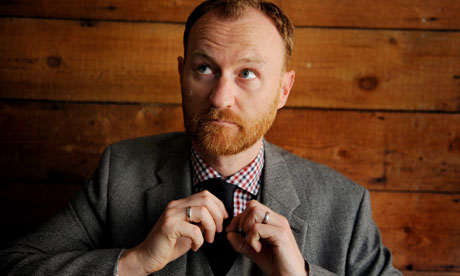
Mark Gatiss' most favourite thing about being an actor is that he loves meeting new people and in his terms, it is important to have a laugh. However, his least favourite thing about being an actor is that the experience does not get less terrifying due to the fact that it flows naturally now and there are rarely any challenges that he faces when it comes to a new role. Gatiss also mentioned that he has done TV mostly over stage and radio. He had also helped write 2 episodes of Game of Thrones In Belfast. At one point, he was asked at the premiere 'who should be on the iron throne?' - he said himself! In addition at one point, during filming, he had got lost on set!
Another interesting fact that Gatiss mentioned was that his favourite type of films were the Early American films. One of the inspirations that fueled Gatiss to write was Agatha Christie's crime - which greatly contributed to Sherlock.
Mark Gatiss loves to collaborate with other writer/directors and says that collaboration is a very good thing in the creative industry. Furthermore, when it comes to writing, Gatiss says he puts himself in the shoes of past icons to make the piece more realistic. However, when it comes to acting Gatiss sometimes improvises on his own script as it makes his character flow through who he really is and both eventually merge in to one making his character his own. Throughout how writing career, he had written a Christmas Horror where his moral raised, which was always be positive, the world is very dark - it can collapse all at once or can keep going. Furthermore his inspirations of the creatures which make an appearance in the TV Series Doctor Who was about the story and that there were no limitations in the world of writing . An important aspect that he had mentioned is that in order to write about a specific generation is that you have to be in it to write about which I had found truly inspiring.
Mark Gatiss' most favourite thing about being an actor is that he loves meeting new people and in his terms, it is important to have a laugh. However, his least favourite thing about being an actor is that the experience does not get less terrifying due to the fact that it flows naturally now and there are rarely any challenges that he faces when it comes to a new role. Gatiss also mentioned that he has done TV mostly over stage and radio. He had also helped write 2 episodes of Game of Thrones In Belfast. At one point, he was asked at the premiere 'who should be on the iron throne?' - he said himself! In addition at one point, during filming, he had got lost on set!
Another interesting fact that Gatiss mentioned was that his favourite type of films were the Early American films. One of the inspirations that fueled Gatiss to write was Agatha Christie's crime - which greatly contributed to Sherlock.
Mark Gatiss loves to collaborate with other writer/directors and says that collaboration is a very good thing in the creative industry. Furthermore, when it comes to writing, Gatiss says he puts himself in the shoes of past icons to make the piece more realistic. However, when it comes to acting Gatiss sometimes improvises on his own script as it makes his character flow through who he really is and both eventually merge in to one making his character his own. Throughout how writing career, he had written a Christmas Horror where his moral raised, which was always be positive, the world is very dark - it can collapse all at once or can keep going. Furthermore his inspirations of the creatures which make an appearance in the TV Series Doctor Who was about the story and that there were no limitations in the world of writing . An important aspect that he had mentioned is that in order to write about a specific generation is that you have to be in it to write about which I had found truly inspiring.
Rehearsals
Whenever it came to rehearsals, going over lines is a key aspect of allowing the rehearsal to flow smoothly. This is due to the fact that with the lines memorised, the scene can be performed in different forms and can be played around with in order to see what techniques work in what place and a specific line or period within the scene.
My group were part of the Antigone group and were set the task to use our interpretation in the scene of Haemon and Creon arguing. After going over the lines we had come up with the idea that Creon was disrespecting his father and that Haemon saw his son as disobedient to elders. In result, we had decided to set the scene by Peter, who was playing Creon, and I to be discussing the situation behind his father's back and in turn Marion, playing Haemon, to over hear the conversation. This lead to the situation of Haemon bursting in with anger and confusion. Me on the other hand was playing the leader and chorus, where in our interpretation, I was observing the situation and came to the conclusion that peace was what was needed and that brawling was not the solution. In addition, this lead to the idea of my monologue at the end of the scene that love could not hold these two together, but peace should arise, as well as apologies.
As we had explored our scene even further, we had been set the task of composing a letter as our character to another character in the scene or the whole piece. My letter was to Creon, asking to apologise to his father Haemon as personally I felt that it was not at all polite to argue with the one who raised you since his father raised him with care and love which contradicted to the fact that there was no love found in the scene itself. The letters allowed us to explore our character in more detail of our own interpretation and exposed our understanding of the scene itself.
As we had got more confident with our scene, we had decided to play around with it to see if we were pronouncing words clearly, with diction and correct projection. For example, we had tried different accents such as Liverpudlian, American and so on. In addition we had also increased the pace and did the scene backwards, this was to help test our knowledge of the scene along with confidence.
Tuesday, 20 October 2015
Class
Every session my drama class had always began with a series of warm ups. Warm ups help benefit the pronunciation of words and to make sure that we know how to control our breath at any pace with consistency. Furthermore it helped us sustain our diction no matter what word was mentioned. Especially in this case due to the fact that we are doing a Greek play where words and phrases are not the language we often use today.
Some of the warm ups consisted of expressing vowels and consonants individually, such as 'O' and 'D' and 'T'. This helped us make sure that our mouths were loose in order to pronunciate words properly and that they were said with purpose. Furthermore we had used this to expose our projection and how powerful it is when we breathe properly. When we breathe in our stomach has to go outwards meaning that our longs are expanding to the fullest and this in result would benefit in a long sustain in breath and powerful projection. This is due to the fact that we are not straining our vocal chords and that we are putting most of the power of our vocals from our diaphragm rather than just our vocal chords alone. Another warm up we had usually done at the start of every session was that we had made sure our body was always neutral so that we could act naturally rather than forcefully if our bodies were tense. We always had to make sure that our feet was always parallel and that our knees were loose. In addition, we had to make sure our back was straight, our arms had to be by our sides and our heads had to be up as if a a string was attached to the ceiling. This was all to ensure that our bodies were ready for performing and moreover acted as a blank canvas.
Other warm ups we had used were tongue twisters such as 'peter piper picked a peck of pickled peppers' and 'red leather, yellow leather'. This helped us sustain our pronunciation of words at a neutral speed and also helped our articulation. The breathing exercises done before this can help in this exercise as breath control is a key aspect in tongue twisters. In other words, this exercise is a test to examine if we had warmed up our breathing properly.
Some of the warm ups consisted of expressing vowels and consonants individually, such as 'O' and 'D' and 'T'. This helped us make sure that our mouths were loose in order to pronunciate words properly and that they were said with purpose. Furthermore we had used this to expose our projection and how powerful it is when we breathe properly. When we breathe in our stomach has to go outwards meaning that our longs are expanding to the fullest and this in result would benefit in a long sustain in breath and powerful projection. This is due to the fact that we are not straining our vocal chords and that we are putting most of the power of our vocals from our diaphragm rather than just our vocal chords alone. Another warm up we had usually done at the start of every session was that we had made sure our body was always neutral so that we could act naturally rather than forcefully if our bodies were tense. We always had to make sure that our feet was always parallel and that our knees were loose. In addition, we had to make sure our back was straight, our arms had to be by our sides and our heads had to be up as if a a string was attached to the ceiling. This was all to ensure that our bodies were ready for performing and moreover acted as a blank canvas.
Other warm ups we had used were tongue twisters such as 'peter piper picked a peck of pickled peppers' and 'red leather, yellow leather'. This helped us sustain our pronunciation of words at a neutral speed and also helped our articulation. The breathing exercises done before this can help in this exercise as breath control is a key aspect in tongue twisters. In other words, this exercise is a test to examine if we had warmed up our breathing properly.
The Theatre of Ancient Greece
Background to Greek Theatre
What is Greek Theatre?
In Greece, there were many religious festivals which were in need
of theatres. In result, in almost every Greek City, many theatres were built in
order to support these festivals.
What is the Theatre of Ancient Greece?
The theatre of Ancient Greece was built in 700BC and is located in the City of Athens. It is a significant cultural, political and military powered theatre at this period of time an dis part of a festival called Dionsysus.
What is the Theatre of Ancient Greece?
The theatre of Ancient Greece was built in 700BC and is located in the City of Athens. It is a significant cultural, political and military powered theatre at this period of time an dis part of a festival called Dionsysus.
What is the structure of the Theatre?
The Theatre of Ancient Greece consists of a number of buildings
which are called theatrons and they were very large with open air structures on
the slopes of hills. The structure of the Theatre is mainly structured in to
three parts. One part is the orchestra, a large circular or rectangular area at
the centre part of the theatre where plays, dancing, religious rites and acting
take place. Another part of the theatre is the skene, which is used as
backstage. Finally, the audience is considered to be the most important part of
the theatre due to the fact that they may represent an actor as well.
Elements of Theatre of Ancient Greece
The Ancient Greek term for a mask is prosopon, in other words
'face' which was seen as a significant element in the belief of Dionsysus at
Athens, which is mostly used in ceremonies and celebrations. Masks are often
used when they are only a few actors in the performance. The actors are usually
more than one character and are needed to use masks to portray another
character. The actors in these plays that had tragic roles wore boots called
cothurni that elevated them above other actors. Actors with comedic roles only wore
a thin soled shoe called a sock.
Playwrights
The Theatre of Ancient Greece had many playwrights which had provided the numerous theatres with life, such as Aeschylus. Aeschylus was born in 525 BC and died in 456 BC. The plays written consisted of The Persians (472 BC), Seven Against Thebes (467 BC), The Suppliants (463 BC), The Oresteia (458 BC) and Prometheus Bound. Within these performances consisted of different actors; one of them which were considered to be an actor was called a Chorus.
The Theatre of Ancient Greece had many playwrights which had provided the numerous theatres with life, such as Aeschylus. Aeschylus was born in 525 BC and died in 456 BC. The plays written consisted of The Persians (472 BC), Seven Against Thebes (467 BC), The Suppliants (463 BC), The Oresteia (458 BC) and Prometheus Bound. Within these performances consisted of different actors; one of them which were considered to be an actor was called a Chorus.
What is the Greek Chorus?
The Greek Chorus acts as thoughts aloud, fears and hidden secret,
which can be portrayed through singing, dance and acting. A chorus can range in
size from as little as 12 people to a mass of 50. They can be argued to be an
actor in itself as it normally voices on dramatic action. In addition, they can
be also be considered as the audience of the play due to the fact that there
are reacting to anything significant event that occurs within the performance.
Masks
In Greek performances, masks are often use
for particular purposes. One is that actors may have had to learn more than one
character role, masks would have been a beneficial factor and in result we knew
that we had to portray each of our characters well as some of us played the
same characters. Furthermore we did not have masks so we had to ensure that the
people in our class with the same characters had to portray the characters
consistently to make their character more convincing to the audience that
although it was a different person being the character, the personality of that
character must be the same.
Themes in Greek Theatre
With the play we had been given to explore and perform, during the
process of rehearsal, we had to make our interpretations on the type of
performances that may have taken part back in Ancient Greek. For example, due
to the monologue I had to learn as the chorus myself, the main theme of it was
love and relationship, especially between Haemon and Creon. Throughout the
scene I had taken part in was a feud between them and it revealed how rigid
the relationship was between father and son. In addition, this
may also suggest that the closest people that take care of you may also be the
ones that hurt you the most; this is shown in the scene where there is an
argument between Oedipus and Creon where Oedipus calls him a traitor. Another
clear theme of Greek plays which is shown in this scene as well is death and
tragedy due to the fact that someone had been murdered at three cross roads.
Additional themes that can be suggested is identity as Oedipus did not know who he really was as he was told that he was found as a baby in Kithairon by shepherds and was raised by King Polybus and Queen Merope in the city of Corinth.
Wednesday, 30 September 2015
Trip to the National Theatre
Joseph Reuben Timothy Perejel
UAL Professional Performance

On Friday the 18th of September 2015, both the
drama and musical theatre groups had went to the National Theatre where we had
been lucky enough to be given a backstage tour as plays a big part during
performances. We had explored the different departments that are in the National
Theatre which helps contribute the performances such as the prop and costume
department. Firstly we went to the largest theatre the National had.
The Olivier is one of 3 main theatres and one temporary
theatre (it will be taken down in 2017) that the National Theatre holds. It is
a semi-circled structured theatre with a grand capacity of 1,160, In addition
it has a peripheral view of 118 degrees due to the fact that the architect
thought that this may benefit those with stage fright and can help build
confidence as standing right in the middle of the stage gives a full view of
the audience to the actor. It is said
that the architect that had designed this had gained this inspiration from
Ancient Greece with a few minor adjustments due to the location and equipment
available. For example, the Drum Revolve where numerous sets can be used in
just one performance. During an interval or intermission between scenes the
drum revolve had a 30 metre depth below the stage where sets can be attached
and changed which revolves after the
scenes with the set has completed.
Another additional feature that the Olivier also had was a
tower where many objects or props that may be difficult to transfer on stage can
be placed. For one performance, an actor was even harnessed from the tower as
the performance required them to drop. The Olivier also has sound reflectors
making the performance as engaging the audience as possible. Furthermore this
creates a surround sound effect which at some points can make the audience really
involved with what is going on in the performance even with a large capacity of
people.
We were also lucky to take foot on the Olivier stage which
felt incredible as the scale of the audience from the stage is absolutely
breath taking. Behind all the amazement that takes place on the stage is an
iron curtain. The iron curtain protects the stage from setting alight if an
accident manages to occur and in addition to allow the audience members to
leave safely. There is a prop table where all props are placed that are needed
for the performance taking place. The objects on the table are never moved to
allow the performers to know where their props are placed. There is also access
to the dressing rooms and one positioned right backstage to allow performers who
need to change costumes as they may be performing more than one character or
they are in the next scene requiring a different costume.
National Theatre
produces a lot of the performance’s sets and props, and in order to do this,
they need departments. There are
different departments such as the set design, costume department and prop
making. In the set design, it is said that production of the sets begins months
before the performance takes place in the National. The Theatre reuses many
recycled material which in I personally think is very efficient. Furthermore
the material used is generally made of light objects such as polyester and
plastic which allows those moving those moving various sets to adjust the
positions quickly and efficiently.
In the costume department, accurate measurements are made to
allow the performer to flow smoothly. The costume designers even go in to
deeper detail where costume that is not even seen by the audience is made to
allow the performer to feel more in character as quality to the Theatre is a
must. Finally, the prop making department is quite freelance where the prop
maker designers are assigned to make a prop from scratch and if they are not
found some are just bought from online as the material to make them can be
limited at times.
Another theatre that the National Theatre holds is the Lyttleton,
a television style theatre where at the time that we attended, people were
adjusting the lights in a very creative way due to the fact that the used a cross
formation with numbers 1-11. This is used to make sure the lighting is in the
correct position at the right time in the performance. As the National allows
more than one performance to take place during the say, in every Theatre there
are two sets of lights – one for each performance, which saves a lot of time
rather than adjusting them constantly. The Lyttleton was the architect’s first
and last design and they thought that the National should have a classic design
where everyone is equal; this meaning a theatre without a royal’s box costing
way more than average tickets. Furthermore, these Royal boxes blocked out the
full sound and impact of the performance coming to the conclusion where the
architect removed the idea of one being built.
Overall, I had found that the National Theatre is absolutely amazing and since its opening in 1976, it has made it really far with a successful reputation. Furthermore, I have watched a performance called ‘Home’ which was based on people who have come from rough backgrounds but share similar stories using music to express their feelings and emotions in a unique way which made the performance absolutely outstanding.
First days at college
 At first, college to me seemed frightening and it feels like a whole new chapter in my book. College is a whole new world with so many walks of life, so many different cultures and so many unique personalities. I absolutely love socializing with others, learning new things everyday and being part of a new community.
I have to say, the day of my audition was frightening as walking in to a room with other people walking down a similar path to me; moral of the story is that we are all different, yet we share the same passion.
I am really happy at the fact that I had made it in to the college and doing what I love with people with such enthusiastic characters and tons of charisma. Although I am having problems with my ID from time to time, college so far has been a fantastic experience. I am looking forward to the upcoming weeks as I am really enjoying my classes with a class full of energy.
Subscribe to:
Comments (Atom)